

Every engineering team in fintech knows what technical debt is. It's the shortcut taken to ship faster, the workaround that became permanent, the module nobody wants to touch because the original engineer left eighteen months ago. It accumulates quietly, and it gets paid — always at the worst possible moment.
Risk debt works the same way. It's less talked about, harder to measure, and more expensive when it surfaces.
What Is Risk Debt?
Risk debt is the gap between the compliance and regulatory infrastructure a fintech team should have built and what it actually built. It accumulates every time a compliance requirement gets deferred to a later sprint, every time an audit trail is designed as an afterthought, every time a system handles sensitive financial data without the access controls it eventually needs to have.
Like technical debt, risk debt is often a rational decision in the moment. A team at seed stage has limited resources and real delivery pressure. Compliance infrastructure that isn't strictly required to launch gets deprioritized. That's a reasonable tradeoff — as long as the debt gets recognized and tracked.
The problem is that most fintech teams don't track it. Technical debt gets logged in backlogs, discussed in retros, estimated in sprint planning. Risk debt tends to live in nobody's ticket system, under nobody's ownership, until an external event forces it into view.
How Risk Debt Accumulates
It rarely happens in a single decision. It builds through a pattern of small deferrals, each one individually defensible.
Compliance discovered late in the build cycle. KYC, AML, audit trail requirements planned as features rather than infrastructure. When they appear at the end of a build — because a bank partner requires them, or a regulatory review is approaching — the cost to retrofit them is always higher than building them in from the start. The architecture wasn't designed to accommodate them. Timelines expand. Shortcuts multiply.
UI decisions made without regulatory weight. In lending and payments, frontend decisions carry legal consequences that most engineering teams aren't equipped to evaluate. A disclosure that isn't visible on a specific device configuration isn't just a UX issue — it's a compliance failure. Every sprint where those decisions were made without proper review added to the debt.
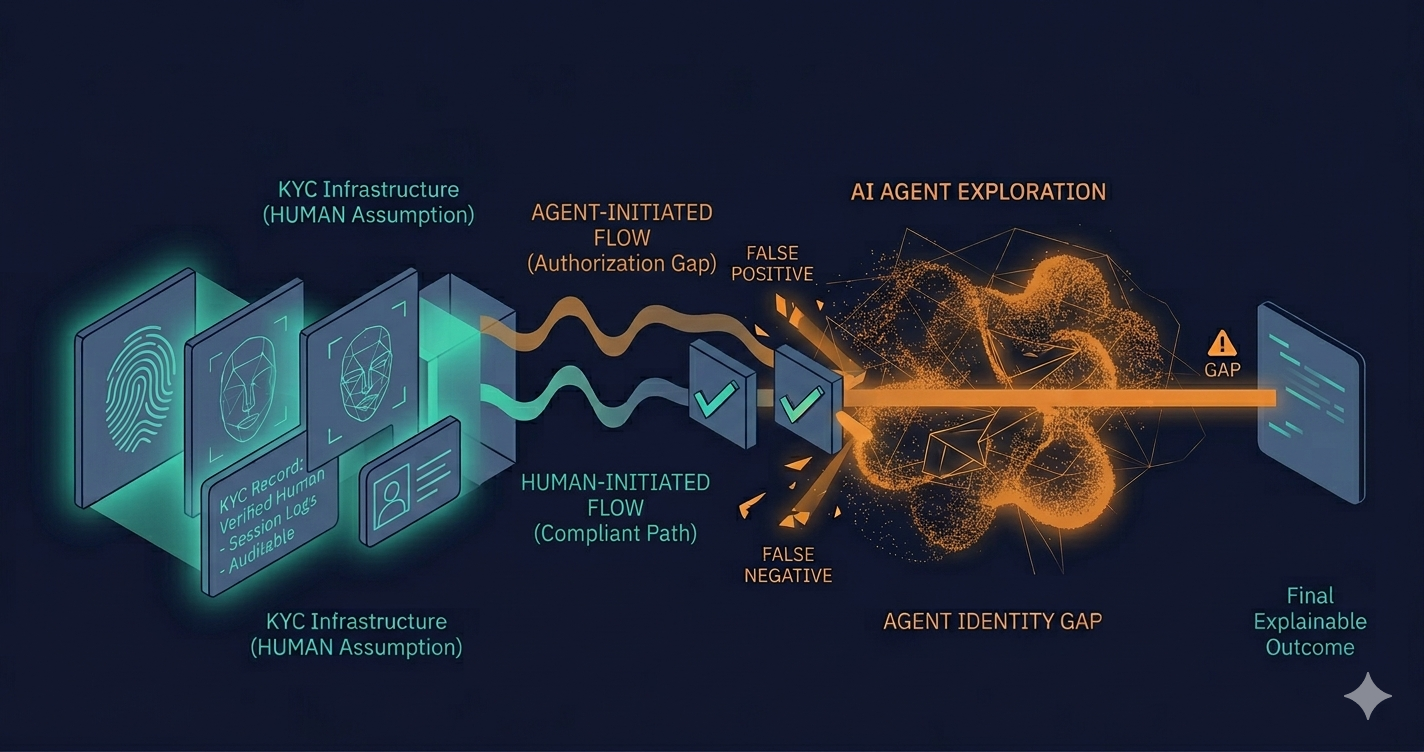
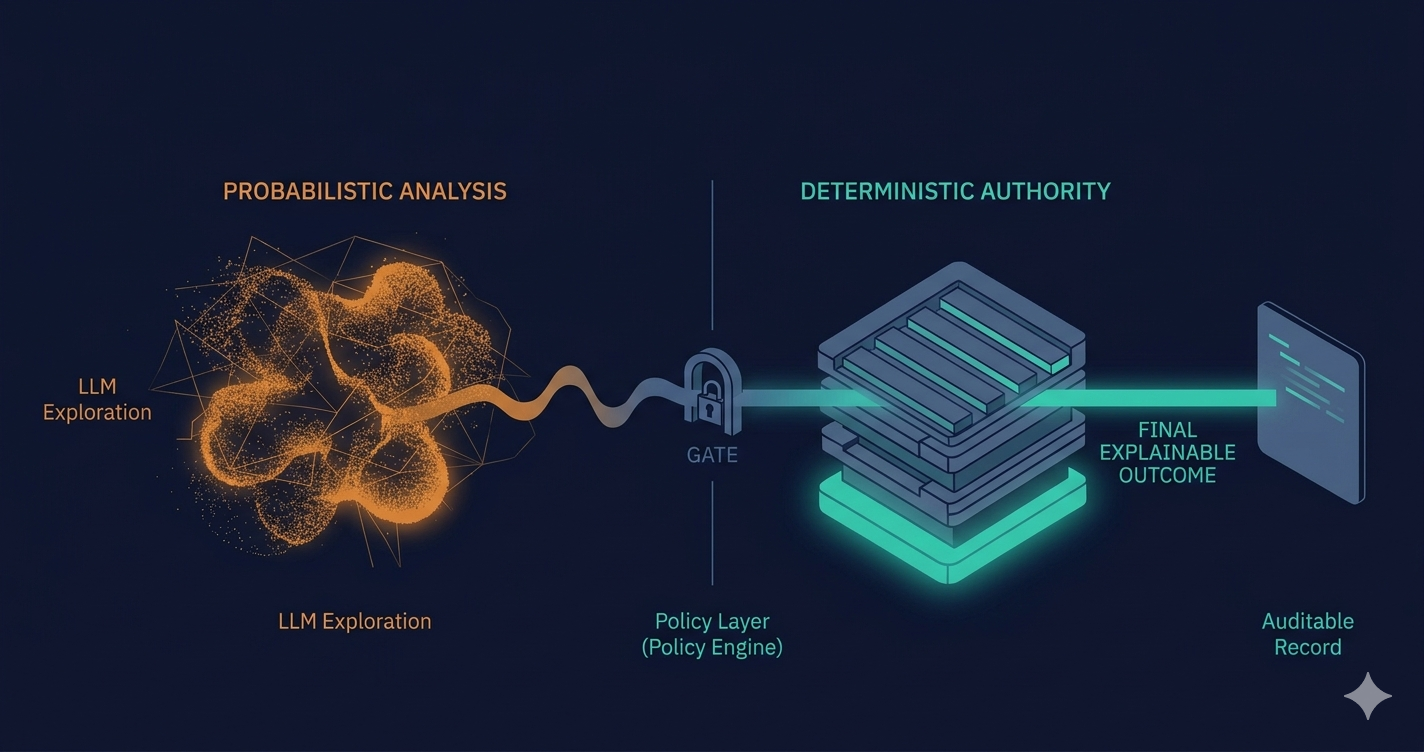
AI deployed without audit infrastructure. Fintech teams that moved fast on AI in 2023 and 2024 are now arriving at their first regulatory reviews with those systems in production. Regulators want to replay a transaction from six months ago and get the exact same reasoning path. Systems built without deterministic audit trails can't do that. The compliance infrastructure that should have been built alongside the model wasn't — because the pressure was to ship, not to document.
Manual processes that scaled with headcount instead of systems. Compliance workflows that work at 10,000 transactions per month become the bottleneck at 500,000. The team adds analysts instead of rebuilding the process. The debt compounds. The analysts burn out.
When Risk Debt Gets Paid
There's a predictable moment when risk debt surfaces: the scale-up inflection point.
A fintech team moves from early traction to Series B. A bank partnership requires a compliance review. A regulator examines systems that have been in production for two years. An enterprise client runs due diligence before signing.
At that moment, everything that was deferred appears simultaneously. Not as a single manageable problem — as a set of compounding ones, each requiring the others to be resolved first. The compliance gaps are in systems that are now load-bearing. Fixing them requires understanding architecture decisions made eighteen months ago by engineers who are no longer on the team. The institutional knowledge that would make the work faster has already walked out the door.
This is the compliance equivalent of the legacy modernization problem. Except it carries regulatory exposure that a legacy codebase doesn't.
Why It's Harder to Track Than Technical Debt
Technical debt has natural visibility mechanisms. It slows down delivery. Engineers complain about it in planning. It shows up in incident post-mortems. The pain is internal and immediate.
Risk debt is invisible until it isn't. The system works fine. Transactions process. The product ships. The compliance gap exists in the space between what the system does and what it would need to do to survive a regulatory review — and that gap only becomes visible when the review happens.
There's also an ownership problem. Technical debt lives in engineering. Risk debt lives at the intersection of engineering, compliance, legal, and product — and in most fintech teams, nobody owns that intersection. The CTO is focused on infrastructure and delivery. The compliance officer came from operations or legal, not engineering. Decisions get made in each domain without full visibility into their cross-domain consequences.
What Managing Risk Debt Actually Looks Like
It's not a compliance audit at the end of each quarter. That's too slow and too late.
Teams that manage risk debt well treat compliance requirements the same way they treat security: as an input to technical decisions from the start, not a review layer at the end. Encryption, access control, audit trail design, and regulatory constraints shape architecture before the first line of code is written.
They also build explicit visibility. Not a ticket labeled "risk debt" — an ongoing map of where the gaps are, what the exposure is if they surface, and what it would cost to close them incrementally versus retroactively.
The goal isn't zero risk debt. That's not achievable in a team under real delivery pressure. The goal is knowing what you're carrying and making deliberate choices about when to pay it down.
A Concept Worth Naming
Technical debt became a useful concept because it gave engineering teams a shared language for something they were all experiencing but describing differently. "We should have built this correctly the first time" became "this is technical debt, here's what it's costing us, here's when we're paying it down."
Risk debt deserves the same treatment. The pattern is identical: accumulated deferred compliance infrastructure, invisible until an external event forces it into view, always more expensive to resolve retroactively than to build correctly from the start.
Fintechs that name it will track it. Fintechs that track it will manage it. The ones that don't will keep discovering it the same way — at the worst possible moment, under the worst possible conditions.
Kreitech works with fintech teams operating in regulated, high-availability environments. We build delivery capacity for teams that can't afford to separate engineering decisions from compliance consequences.